
Aquarium RO DI Systems
RO DI Water Storage Tank
Healthy corals, clear water, and fewer algae battles start with what goes into the tank. Tap water carries dissolved solids, phosphate, nitrate, and silicate that feed nuisance algae and stress sensitive livestock.
Our aquarium RO DI systems reduce those to near zero at home. You get distilled-quality water whenever you need it, instead of jugs to haul from the store. Each RO DI water system for aquarium use pairs a 100 GPD high-silicate membrane with deionization resin, so every water change starts from the same clean baseline.
Why Aquarium Keepers Switch to RO/DI Water
Tap water is treated to be safe to drink, not to be ideal for a reef. What's harmless in a glass can fuel algae and stress corals, invertebrates, and sensitive fish. City and well water vary from place to place, so a water test or TDS reading shows where you're starting.
What Tap Water Does to a Reef Tank
Phosphate and nitrate feed nuisance algae. Silicate fuels the brown diatom blooms that coat sand and glass in newer tanks, and metals like copper can harm invertebrates.
Starting every water change and top-off with RO/DI water takes those variables out of the tank. Your salt mix and supplements then do exactly what they're meant to.
RO DI Water for Freshwater Aquariums
Using RO DI water in a freshwater aquarium is just as useful. Planted tanks, shrimp, and soft-water species benefit from a clean, consistent base, free of the phosphate and silicate that fuel algae.
Because RO/DI water has almost no minerals, most freshwater setups remineralize it to a target hardness before use. That puts you in control of your water chemistry instead of your tap.
How an RO DI Filter for Aquarium Water Works
An RO DI filter for aquarium water works in stages, each one protecting the next. Like any RO filter system, aquarium RO/DI units start with prefilters and a membrane, then add deionization to finish the job:
- 1 micron sediment filter: captures particles that would clog the membrane.
- 1 micron carbon block filter: reduces chlorine, tastes, chemicals, and odors that would damage the membrane.
- 100 GPD high silicate TFC reverse osmosis membrane: does the bulk of the purification, reducing 90 to 95% of contaminants.
- Mixed bed deionization filter: removes the remaining dissolved ions, for 99.9% effective contaminant removal when paired with RO.
- Inline deionization filter (5-stage only): a second DI stage for the highest purity and longer filter life.
Why the High Silicate Membrane Matters
Silicate is a common cause of diatom blooms in reef tanks. Both systems use a 100 GPD high silicate removal membrane, chosen to target silicate before it reaches your water. The membrane is rated to make up to 100 gallons per day under ideal conditions.
Why DI Comes After RO
The membrane handles the heavy lifting, so the DI resin only has to polish what's left. That's why pairing them costs less to run than a DI-only system and delivers purer water than RO alone.
Choose Your Aquarium RO DI Water System
Both systems share the same prefilters, membrane, and build quality. The difference is how many DI stages finish the water.
| Feature | 4-stage Psarion Omega Reef System | 5-Stage Psarion Psi Reef System |
|---|---|---|
| Stages | 4 | 5 |
| DI stages | 1 mixed bed | 1 mixed bed plus 1 inline |
| Membrane | 100 GPD high silicate | 100 GPD high silicate |
| Best fit | Reef and freshwater tanks, labs and general DI water needs | Reef keepers who want maximum purity and fewer DI changes |
4-stage Aquarium RO/DI Psarion Omega Reef System
The 4-stage Aquarium RO/DI Psarion Omega Reef System combines sediment, carbon block, RO membrane, and DI stages for distilled-quality water. It's designed for reef aquariums, labs, or anywhere DI water is needed. It's an efficient way into RO/DI without overspending.
5-Stage Aquarium RO/DI Psarion Psi Reef System
The 5-Stage Aquarium RO/DI Psarion Psi Reef System adds a second inline DI filter after the first. Because the second stage catches anything the first lets through, you can run the first DI filter until it's fully exhausted before replacing it. The result is the highest purity water with fewer filter changes.
Garden Hose Connector or Diverter Valve
Both systems come with your choice of connection. The garden hose connector fits standard garden hose thread, which suits a utility sink, laundry room, or outdoor spigot. The diverter valve attaches to most standard faucets and directs water to the system when you need it.
Built for Easy Setup
Each system arrives pre-assembled with filters installed, color-coded tubing, and an installation and maintenance manual. The details are designed to keep it running efficiently:
- A mounting bracket for flexible placement.
- A clear sediment filter housing, so you can see when the prefilter needs changing.
- A flushing flow restrictor that keeps proper pressure on the membrane, with a flush valve for extended membrane life.
- A check valve that stops water from flowing back through the membrane.
- NSF-certified components, including the filters and membrane.
- Standard 2.5 x 9.75-inch filters, so you're never locked into proprietary cartridges.
Protect Your Floor With Flowlok Leak Protection
A leak at an RO/DI system can run for hours before anyone notices. The Flowlok Leak Protection System - 1/4" sits under the system and shuts off the water supply if it detects a leak, with no electricity required. It fits most undersink filters, installs easily, and includes 2 safety discs.
Storing RODI Water
Many aquarium keepers make RO/DI water ahead of time so it's ready for water changes and daily top-off. A clean, covered, food-grade container works well as a RODI water storage tank. Keep it sealed between uses so dust and debris stay out, and use it for RO/DI water only.
Keeping Your Water at Zero TDS
Pure water is something you measure, not assume. Two simple habits keep your RO/DI output where it should be.
Check TDS After the DI Stage
A TDS meter reading after the DI filter should sit at or near zero. When that number starts to climb, the DI resin is exhausted and needs replacing. On the 5-stage system, the inline DI stage keeps output pure while the first DI filter is used up.
Replace Filters on Schedule
Prefilters protect the membrane, and the membrane protects the DI resin, so keeping them fresh lowers the cost of every gallon. Matched aquarium RO/DI filter kits bundle the replacement filters for each system.
Need RO/DI Water in a Smaller Space?
Short on space, or need pure water on the go? The Mikro Omega 3 Stage Portable Aquarium RO/DI System with 75 GPD Membrane measures about 14 x 6 x 6 inches. It's part of our portable RO systems range, built for aquarium and drinking water in a compact footprint.
-

4-stage Aquarium RO/DI Psarion Omega Reef System
$159.00The 4-stage Aquarium RO/DI Psarion Omega Reef System ensures you have pure, distilled quality water right at your fingertips. Perfectly designed for reef aquariums, labs, or anywhere DI water is...ARO-Omega$159.00 -

Flowlok Leak Protection System - 1/4"
$29.00FLOWLOK Leak Detector No electricity required Prevent costly water damage Fits most undersink filters Easy to install Includes 2 saftey discs Tray Dimensions: 16.75 x 6.25 x 1.5...FLK-KIT$29.00 -
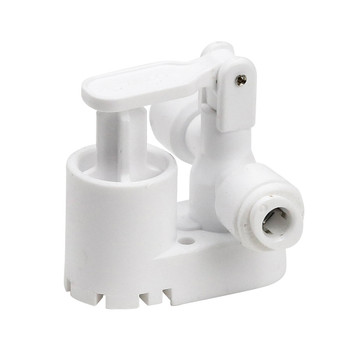
Flowlok Leak Protection Device - 1/4"
$17.00The FLOWLOK Leak Protection System is a series of products designed to help you take safe guards against possible leaks from you water filtration system. The product shuts off the water supply to...FLK-14$17.00 -

5-Stage Aquarium RO/DI Psarion Psi Reef System
$199.005-Stage Dual DI system for pure water. The Psarion Psi Reef system offers dual pass DI treatment to ensure exceptional water quality. Reverse osmosis (RO) combined with deionization (DI) provides 99...ARO-Psi$199.00