
Commercial Softeners
Commercial Water Softener Systems for High-Flow Demand
A commercial water softener system is designed to reduce hardness-related scale in facilities with higher flow rates and greater water consumption.
Untreated hardness shows up as scale in pipes, reduced heat-transfer efficiency, buildup in boilers, and causes appliance and equipment problems. This automatically increases maintenance and performance issues costs that compound at commercial flow volumes. Installing a water softener system is the perfect solution for these issues.
Shop Commercial Water Softeners by Capacity and Flow Rate
| System Capacity | Approx. Listed Flow Range | Valve / Application |
|---|---|---|
| 120,000 grains | 20–41 GPM | Fleck 2850 metered, timer, or Fleck 9500 options |
| 150,000 grains | 25–53 GPM | Fleck 2850 or alternating Fleck 9500 |
| 210,000 grains | 35–60 GPM | Fleck 2850 or alternating Fleck 9500 |
| 300,000 grains | 40–66 GPM | Fleck 2850 or alternating Fleck 9500 |
| 450,000 grains | 45–66 GPM | Fleck 2850 metered or timer |
Listed flow ranges are product-specific and shouldn't substitute for full system sizing based on your own hardness, usage, and peak-demand numbers.
Single-Tank Commercial Softener Systems
The Fleck 2850 control valve is available in metered and timer configurations. Metered systems initiate regeneration based on actual water usage; timer systems follow a programmed schedule. The right option depends on usage patterns, operating priorities, and how the rest of the system is configured.
Alternating Dual-Tank Commercial Softeners
Dual-tank systems use an alternating Fleck 9500 valve. One tank stays in service while the other regenerates, which suits facilities that need continuous softened water with no downtime. The 150,000-, 210,000-, and 300,000-grain dual-tank options are available.
How to Size a Commercial Water Softener
- Hardness in grains per gallon
- Daily water consumption
- Peak flow
- Required service duration
- Iron content
- Regeneration frequency
- Brine and drain capacity
- Available installation space
- Whether uninterrupted soft water is required
Grain capacity and peak flow are different measurements. A system can have plenty of total capacity and still be undersized for a building's simultaneous flow demand; both numbers need to clear the bar, not just one.
Check out our Softener Sizing Guide to get sizing help.
Commercial Softener Installation and Maintenance
Installation and ongoing care typically covers main-line installation, adequate drain flow, brine-tank installation, salt storage, bypass access, correct electrical connection, routine monitoring of salt and regeneration, inspection of the control valve and brine system, and professional installation or technical support for larger systems. Salt use and regeneration frequency depend on hardness, usage, system capacity, and programming; there's no single schedule that fits every installation.
-
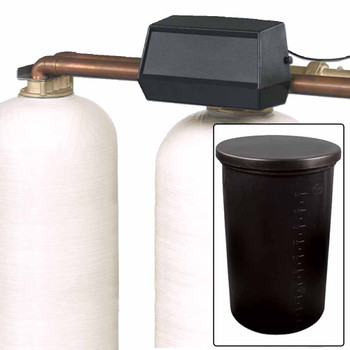
150k Commercial High Flow Dual Tank Water Softener with Fleck 9500 On-Demand, Pentair tank
150,000 grain capacity treats flow rates of 25-53 GPM with the commercial 1.25" Fleck metered 9500 alternating on-demand valve. Great for commercial applications or very large homes - this water...150k-9500 -

120k Commercial High Flow Metered Water Softener with Fleck 2850 On-Demand, Pentair tank
$0.00120,000 grain capacity treats flow rates of 20-41 GPM with the commercial 1.25" Fleck metered 2850 on-demand valve. Great for small commercial applications or very large homes - this water softener...120k-2850M$0.00 -

120k Commercial High Flow Water Softener with Fleck 2850 Timer, Pentair tank
$0.00120,000 grain capacity treats flow rates of 20-41 GPM with the commercial 1.25" Fleck 2850 Timer valve. Great for small commercial applications or very large homes - this water softener treats hard...120k-2850T$0.00 -

300k Commercial High Flow Dual Tank Water Softener with Alternating Fleck 9500 On-Demand, Pentair tank
300,000 grain capacity treats flow rates of 40-66 GPM with the commercial 1.25" Fleck metered 9500 alternating on-demand valve. Great for commercial applications or very large homes - this water...300k-9500 -
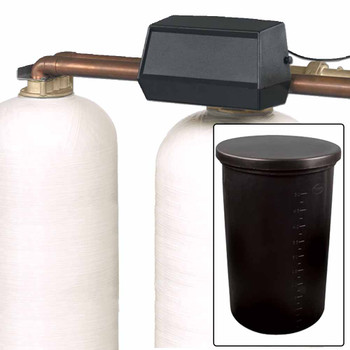
210k Commercial High Flow Dual Tank Water Softener with Fleck 9500SXT On-Demand, Pentair tank
210,000 grain capacity treats flow rates of 35-60 GPM with the commercial 1.25" Fleck metered 9500 alternating on-demand valve. Great for commercial applications or very large homes - this water...210k-9500SXT -

120k Commercial High Flow Dual Water Softener with Fleck 9500 On-Demand, Pentair tank
120,000 grain capacity treats flow rates of 20-41 GPM with the commercial 1.25" Fleck metered 2850 on-demand valve. Great for small commercial applications or very large homes - this water softener...120k-9500 -
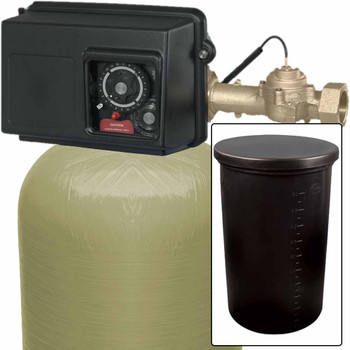
450k Commercial High Flow Metered Water Softener with Fleck 2850 On-Demand, Pentair tank
450,000 grain capacity treats flow rates of 45-66 GPM with the commercial 1.25" Fleck metered 2850 on-demand valve. Great for commercial applications or very large homes - this water softener treats...450k-2850M -
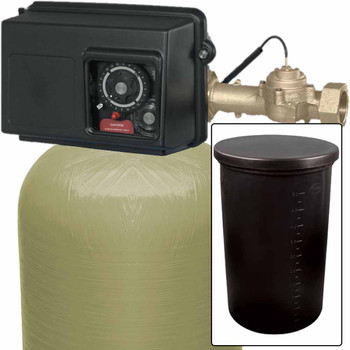
300k Commercial High Flow Metered Water Softener with Fleck 2850 On-Demand, Pentair tank
$0.00300,000 grain capacity treats flow rates of 40-66 GPM with the commercial 1.25" Fleck metered 2850 on-demand valve. Great for commercial applications or very large homes - this water softener treats...300k-2850M$0.00 -

210k Commercial High Flow Metered Water Softener with Fleck 2850 On-Demand, Pentair tank
$0.00210,000 grain capacity treats flow rates of 35-60 GPM with the commercial 1.25" Fleck metered 2850 on-demand valve. Great for small commercial applications or very large homes - this water softener...210k-2850M$0.00 -
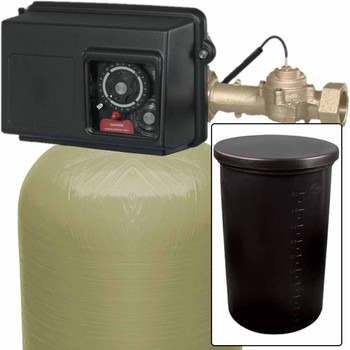
150k Commercial High Flow Metered Water Softener with Fleck 2850 On-Demand, Pentair tank
$0.00150,000 grain capacity treats flow rates of 25-53 GPM with the commercial 1.25" Fleck metered 2850 on-demand valve. Great for small commercial applications or very large homes - this water softener...150k-2850M$0.00 -

450k Commercial High Flow Water Softener with Fleck 2850 Timer, Pentair tank
450,000 grain capacity treats flow rates of 45-66 GPM with the commercial 1.25" Fleck 2850 Timer valve. Great for small commercial applications or very large homes - this water softener treats hard...450k-2850T -

300k Commercial High Flow Water Softener with Fleck 2850 Timer, Pentair tank
300,000 grain capacity treats flow rates of 40-66 GPM with the commercial 1.25" Fleck 2850 Timer valve. Great for small commercial applications or very large homes - this water softener treats hard...300k-2850T -

210k Commercial High Flow Water Softener with Fleck 2850 Timer, Pentair tank
210,000 grain capacity treats flow rates of 35-60 GPM with the commercial 1.25" Fleck 2850 Timer valve. Great for small commercial applications or very large homes - this water softener treats hard...210k-2850T -
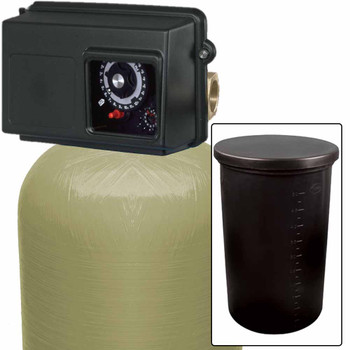
150k Commercial High Flow Water Softener with Fleck 2850 Timer, Pentair tank
150,000 grain capacity treats flow rates of 25-53 GPM with the commercial 1.25" Fleck 2850 Timer valve. Great for small commercial applications or very large homes - this water softener treats hard...150k-2850T